Case studies / Desio

Two free samples to settle the colour question.
Desio sells lenses on shade, and a shade looks different on every face. Spend €39 and you pick two one-day samples yourself, from ten colours.
Visit desiolens.com ↗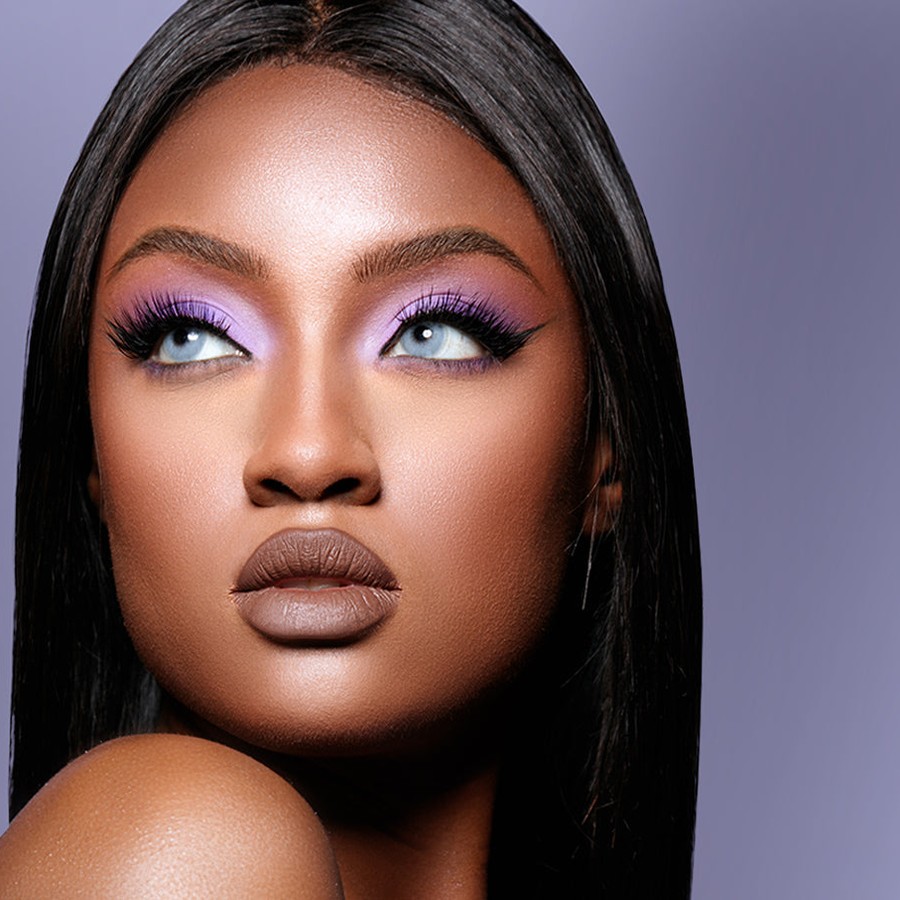
01 / The problem A colour nobody can judge from a photograph
Desio sells colour. The same lens reads warm on one iris and grey on another, and a model photograph only ever shows what a shade did on that model. The shopper is asking a different question, and the product page cannot answer it.
So the first order is the expensive one to get wrong. A bad guess does not cost a return. It costs a box of lenses that sits in a drawer, and a customer who does not come back.
Why the usual incentives were a poor fit
- Price discounts
- A discount makes the wrong shade cheaper. It does nothing about the reason someone hesitates before the first box. AOV.ai analysis
- Free shipping
- The store already ships free from €199, five times the gift threshold. It has no effect on a first, small order. desiolens.com
- More photography
- Every shade already carries model photography. The missing information is not on the site, it is on the shopper's own eyes. AOV.ai analysis
So how do you let someone try a colour before committing to it?
02 / The campaign A trial, priced so it cannot hurt
Spend €39 and you choose two one-day lenses from ten shades. Buy from any lens collection and a case goes in by itself. That is the whole offer.
Every constraint on it is doing work. Two samples, not four, so the shopper commits to a shade rather than collecting a set. Ten colours, so the choice is real. Once per customer, so it buys a trial and never becomes a discount somebody waits for.
The arithmetic is deliberately boring. A sample sells for €3, so the most any qualifying order can cost in gifts is €6 against a €39 basket. The case costs €1. Neither campaign carries an end date.
03 / The outcome They made the offer harder twice and kept it running
Orders that took the samples.
The offer opened at €35 for four samples. Desio pushed the threshold to €39, then cut four samples to two. Both moves hand the shopper less. Neither killed the campaign.
That is the strongest thing in this case, and it is worth more than any percentage. A merchant who tightens an offer twice and still leaves it running has looked at their own margin and decided it earns its place. They know what it costs them. They kept it.
The counter has climbed through every stage of that, from about a thousand orders in the first summer to sixteen thousand now.
One warning before you copy the chart. Claim volume cannot tell you what any single change did. The pace here swings by almost half between stretches where nothing was touched at all, which is ordinary for a store with its own seasons and its own ad spend. Read the line as evidence the offer works. Do not read it as a measurement of the threshold.
An earlier AOV.ai write up put store revenue up 75.95 per cent over thirty days. It describes the €35 setup with four samples, so it is measuring an offer Desio no longer runs.
04 / What this case shows Why a sample beats a discount here
A discount makes the wrong shade cheaper. A sample tells the shopper which shade is right. For a product sold on colour, only one of those removes the reason people stall.
The economics are what make it repeatable. Six euros of samples on a €39 basket is roughly fifteen per cent, but it is fifteen per cent of stock on one order rather than fifteen per cent off every order that shopper ever places again. A standing discount teaches people to wait for it. A sample capped at one per customer cannot.
The shape travels further than the product does. Ask which single doubt stops your first order, then ask whether a small piece of what you sell can settle it. If the hesitation is about price, or fit, or how fast it arrives, a sample is answering a question nobody asked.